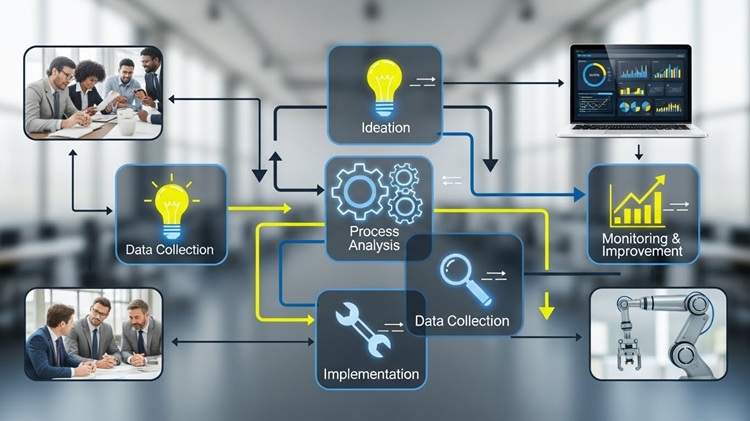
In today’s competitive business environment, efficiency and adaptability are crucial for success. Companies face pressure to deliver higher quality products and services while managing costs and resources effectively. Business process optimization solutions have emerged as a strategic approach to address these challenges, providing organizations with the tools and methodologies to streamline operations, enhance productivity, and achieve long-term growth. Understanding how these solutions work and the impact they can have on a company is essential for leaders seeking sustainable improvement.
Table of Contents
Streamlining Operations and Enhancing Efficiency
One of the primary ways business process optimization solutions transform a company is by streamlining operations. Many organizations struggle with redundant tasks, inefficient workflows, and communication gaps that slow down decision-making and productivity. Optimization solutions analyze existing processes, identify bottlenecks, and implement strategies to eliminate unnecessary steps.
By automating repetitive tasks, standardizing procedures, and integrating workflows across departments, companies can achieve a smoother operational flow. Employees spend less time on low-value activities and more on tasks that contribute directly to business goals. In addition, optimized processes often lead to faster turnaround times for projects, reduced operational costs, and improved overall efficiency. Businesses that adopt these solutions are better positioned to respond quickly to market demands and maintain a competitive edge.
A thorough assessment of current operations is a key component of business process optimization. Experts map workflows, gather employee feedback, and evaluate performance metrics to identify areas for improvement. This data-driven approach ensures that changes are targeted, measurable, and aligned with organizational objectives. By focusing on efficiency and eliminating waste, companies can maximize resources and improve performance across all levels.
Supporting Data-Driven Decision Making
Business process optimization solutions also empower organizations to make more informed, data-driven decisions. By leveraging analytics, reporting tools, and performance metrics, companies gain insight into operational trends, resource utilization, and productivity levels. This transparency enables leaders to identify strengths, uncover weaknesses, and prioritize areas that require attention.
For example, workflow management systems can track the time and resources spent on specific tasks, helping managers identify inefficiencies and allocate resources more effectively. Predictive analytics can forecast potential challenges, allowing companies to proactively address issues before they escalate. By providing a clear understanding of how processes function and interact, optimization solutions foster smarter decision-making, reduce risks, and support strategic planning.
Additionally, data-driven insights enable continuous improvement. Business process optimization is not a one-time effort; it involves ongoing monitoring, analysis, and refinement. Organizations that embrace a culture of continuous improvement benefit from long-term operational resilience and adaptability. This approach ensures that processes evolve alongside changing business needs, keeping the company agile and responsive in a dynamic market environment.
Enhancing Customer Experience and Satisfaction
Another significant impact of business process optimization solutions is the improvement of customer experience. Streamlined processes allow organizations to respond more quickly to customer inquiries, deliver products and services on time, and maintain higher levels of quality. When internal operations function efficiently, employees can focus on providing excellent service rather than managing inefficiencies or addressing avoidable errors.
Optimized workflows also support personalized customer interactions. Companies can track customer preferences, analyze feedback, and tailor their offerings to meet specific needs. By minimizing delays, errors, and frustration points, businesses create a more satisfying customer journey that encourages loyalty and repeat business. In today’s market, where customer expectations are continually rising, improving operational efficiency through business process optimization solutions directly translates into enhanced satisfaction and competitive advantage.
Furthermore, efficient processes contribute to better communication and collaboration across departments. When teams are aligned and workflows are integrated, employees can respond more effectively to customer needs, share critical information, and resolve issues faster. This holistic approach ensures that the benefits of optimization extend beyond internal operations and positively impact customer relationships.
Driving Innovation and Business Growth
Business process optimization solutions do more than improve efficiency and customer satisfaction; they also create an environment that fosters innovation and growth. By freeing up resources previously tied to redundant or inefficient tasks, organizations can redirect efforts toward strategic initiatives, product development, and market expansion.
Optimized processes provide a framework for experimentation and innovation. Teams can test new approaches, implement improvements, and evaluate results without disrupting core operations. This flexibility encourages creative problem-solving and continuous improvement, which are essential for long-term business success. Companies that embrace optimization solutions are better equipped to adapt to emerging trends, technological advancements, and evolving customer demands.
In addition, streamlined operations and data-driven insights allow organizations to scale more effectively. Whether expanding into new markets, launching new products, or managing larger teams, companies can rely on optimized workflows to maintain consistency, quality, and efficiency. Business process optimization solutions provide the foundation for sustainable growth by ensuring that operational systems can support increased demand and complexity without compromising performance.
By integrating optimization strategies with broader business goals, leaders can align resources, processes, and technology to achieve maximum impact. This holistic approach not only improves day-to-day operations but also positions the company for long-term success and resilience in a competitive market.
Implementing Business Process Optimization Solutions Successfully
Successfully implementing business process optimization solutions requires careful planning, collaboration, and commitment. Organizations must assess current processes, define clear objectives, and engage stakeholders across all levels. Change management is a critical component, as employees need to understand the purpose of new workflows, technologies, and practices to adopt them effectively.
Training and support are also essential. Providing employees with the tools and knowledge to operate efficiently within optimized processes ensures that improvements are sustained over time. Continuous monitoring, performance evaluation, and iterative adjustments help maintain the effectiveness of business process optimization solutions and allow organizations to respond to evolving challenges.
Additionally, technology plays a key role in successful implementation. Workflow automation, project management platforms, and analytics tools enable companies to standardize processes, track performance, and make informed decisions. Integrating these technologies into the organizational framework ensures that optimization efforts are scalable, measurable, and aligned with long-term goals.
For leaders, embracing a culture of continuous improvement is vital. Business process optimization solutions are most effective when they are part of an ongoing commitment to efficiency, innovation, and excellence. Companies that invest in both technology and human expertise reap the benefits of improved productivity, enhanced customer experience, and sustainable growth.
Business process optimization solutions are transformative because they address the root causes of inefficiency, enable data-driven decision-making, improve customer satisfaction, and support innovation. By adopting these solutions, organizations can streamline operations, reduce costs, and position themselves for long-term success. Companies that implement optimization strategies thoughtfully and consistently benefit from increased agility, higher productivity, and a competitive advantage in their industry.
Organizations that invest in business process optimization solutions gain more than operational improvements; they foster a culture of continuous growth, innovation, and excellence. Through careful planning, employee engagement, and strategic use of technology, companies can achieve measurable results that enhance both internal efficiency and external performance. Embracing these solutions is a strategic move that transforms the way a company operates, interacts with customers, and competes in the modern business landscape.